Vagus Nerve Stimulation for Stroke Rehabilitation: Targeted Plasticity Therapy
Introduction: The Chronic Stroke Recovery Problem
Stroke is the leading cause of long-term disability worldwide. Each year, approximately 15 million people suffer a stroke globally; of these, five million are left with permanent disability. Upper limb motor impairment is among the most common and debilitating consequences — affecting up to 80% of stroke survivors in the acute phase and persisting in approximately 50% at six months.
The standard of care for motor recovery after stroke is intensive rehabilitation — repetitive, task-specific movement practice. While rehabilitation is effective, it has fundamental limitations. Recovery plateaus are common, particularly in the chronic phase (beyond six months), and a substantial proportion of patients remain with significant disability despite months of therapy.
The core challenge is biological: rehabilitation provides the behavioural experience necessary for motor learning, but it cannot directly control the neuroplasticity required to translate that experience into lasting neural circuit reorganisation. The brain must independently generate the neuromodulatory signals — norepinephrine, acetylcholine, serotonin — that convert movement practice into strengthened synaptic connections.
What if those neuromodulatory signals could be externally amplified, precisely at the moment of each therapeutic movement?
This is the principle behind vagus nerve stimulation paired with rehabilitation — a concept known as targeted plasticity therapy. In August 2021, the FDA approved the Vivistim Paired VNS System (MicroTransponder) for upper limb rehabilitation after chronic ischaemic stroke, making it the first neurostimulation device approved for this indication. The approval was based on a scientific journey spanning more than a decade — from preclinical discoveries at the University of Texas at Dallas to a pivotal trial published in The Lancet.
The Science: Targeted Plasticity Therapy
The Core Concept
Traditional VNS for conditions like epilepsy and depression delivers continuous or scheduled stimulation, broadly modulating brain activity. Paired VNS is fundamentally different. It delivers brief bursts of stimulation — typically 0.5 seconds — precisely timed to coincide with specific therapeutic activities. The temporal precision is the key innovation.
When a stroke patient performs a desired movement during rehabilitation, a therapist triggers a brief VNS burst at the exact moment of the movement. This creates a convergence: the motor cortex circuits active during the movement receive a simultaneous surge of neuromodulatory input from the vagus nerve pathway. The coincidence of circuit-specific neural activity and globally released neuromodulators creates a Hebbian learning signal that strengthens precisely those synapses that were active during the movement.
The Neurochemical Pathway
The sequence is well-characterised:
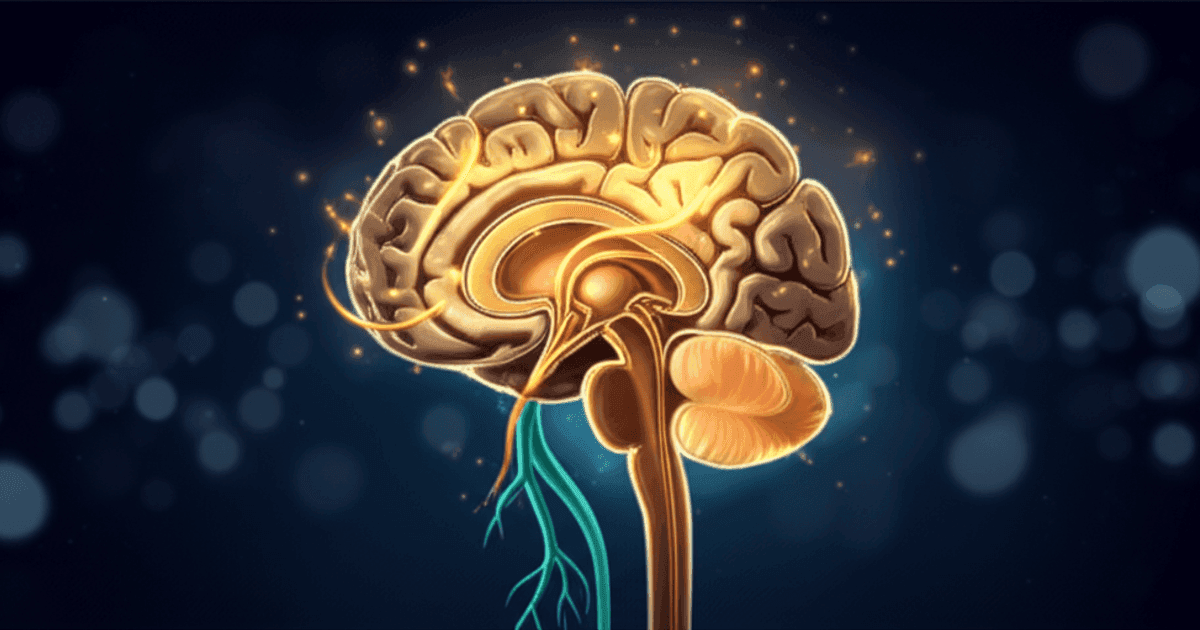
1. VNS activates vagal afferents projecting to the nucleus tractus solitarius (NTS) in the brainstem
2. The NTS sends excitatory projections to the locus coeruleus (LC), triggering phasic norepinephrine release throughout the cortex
3. Simultaneously, the NTS activates the nucleus basalis of Meynert (NBM), triggering acetylcholine release across the cortical mantle
4. The dorsal raphe nucleus is also engaged, releasing serotonin
Brief 0.5-second trains of VNS drive rapid, phasic firing of locus coeruleus neurons at intensities as low as 0.1 mA (Hulsey et al., 2017). This phasic release pattern is critical — it provides a time-locked learning signal that can be precisely aligned with specific therapeutic experiences.
Why Timing Matters
The temporal specificity of paired VNS is not merely a design choice — it is an essential requirement. Preclinical studies have demonstrated that VNS delivered during movement practice restores motor function, while VNS delivered after movement practice provides no benefit over rehabilitation alone (Khodaparast et al., 2014).
This finding has profound implications. It means VNS does not work by broadly enhancing brain plasticity over hours or days. Instead, it works by creating brief windows of enhanced plasticity — lasting seconds — that selectively reinforce the specific neural circuits active during each therapeutic movement. The therapy is targeted, not general.
Molecular Mechanisms
At the molecular level, paired VNS engages a cascade of plasticity-related signals:
- Brain-derived neurotrophic factor (BDNF) and its downstream effector CREB — key regulators of long-term potentiation
- Fibroblast growth factor (FGF) — supporting neuronal survival and growth
- GluN2B NMDA receptor subunits and calcium/calmodulin-dependent protein kinase II (CaMKII) — proteins essential for synaptic strengthening
- Enhanced adrenergic receptor expression — increasing cortical sensitivity to norepinephrine
The convergence of these molecular signals produces structural changes at the synaptic level that outlast the stimulation period by weeks to months — transforming temporary practice effects into durable circuit reorganisation. This mechanism of VNS-driven neuroplasticity is central to understanding why paired stimulation produces benefits that persist long after therapy ends.
Preclinical Foundation: The UT Dallas Programme
The scientific foundation for paired VNS in stroke rehabilitation was built through a systematic preclinical programme at the University of Texas at Dallas, led by Michael Kilgard, Seth Hays, and colleagues.
Porter et al. (2012): Proof of Concept
The foundational study demonstrated that repeatedly pairing VNS with a specific forelimb movement resulted in increased cortical representation of that movement in the primary motor cortex of uninjured rats. This was the first evidence that VNS could drive movement-specific cortical map plasticity — the basic principle underlying targeted plasticity therapy (Porter et al., 2012).
Khodaparast et al. (2013–2014): Stroke Recovery
In a series of studies using rat models of ischaemic stroke, Khodaparast, Hays, and Kilgard demonstrated that:
- Forelimb strength returned to pre-lesion levels when VNS was delivered during rehabilitation training (Khodaparast et al., 2013)
- Rehabilitation alone failed to restore function to pre-lesion levels
- Complete recovery was observed only in the VNS-during-rehabilitation group — VNS after rehabilitation provided no benefit (Khodaparast et al., 2014)
Extension to Other Stroke Types
Hays et al. (2014) extended the evidence to intracerebral haemorrhage — demonstrating that VNS paired with rehabilitative training improved recovery in a subcortical haemorrhage model, not only ischaemic stroke. Subsequent work showed efficacy in aged rats (Hays et al., 2016), addressing a critical translational concern given that stroke predominantly affects older adults.
Meyers et al. (2018): Structural Plasticity and Generalisation
Perhaps the most striking preclinical finding came from Meyers et al. (2018), who demonstrated that VNS paired with rehabilitation:
- More than doubled the benefit of rehabilitative training alone
- Produced improvements that lasted months after VNS cessation
- Generated generalisation — training on one task (supination) also improved performance on an untrained task (volitional forelimb strength)
- Tripled synaptic connectivity in corticospinal tract networks controlling the impaired forelimb, as measured by retrograde transsynaptic tracing two months after cessation of VNS
This last finding is remarkable: paired VNS doesn't merely enhance motor performance during therapy — it drives measurable structural reorganisation of the neural circuits controlling movement, and these structural changes persist long after therapy ends.
Hulsey et al. (2016): The Cholinergic Requirement
Hulsey et al. provided a critical mechanistic insight by demonstrating that selective lesions of cholinergic neurons in the nucleus basalis completely prevented VNS-dependent motor cortex reorganisation. This proved that acetylcholine release from the nucleus basalis is not merely correlated with but required for VNS-driven plasticity.
Clinical Translation: From Bench to Bedside
Dawson et al. (2016): First-in-Human Feasibility
The first human study of paired VNS for stroke was conducted by Jesse Dawson at the University of Glasgow. Twenty participants with chronic ischaemic stroke (more than six months post-stroke) and moderate-to-severe upper limb weakness were randomised to VNS paired with rehabilitation or rehabilitation alone.
All participants received the VNS implant; randomisation determined whether the device was activated during therapy. Sessions occurred three times weekly for six weeks, each involving more than 400 movement trials with 0.5-second VNS bursts paired to specific movements.
The study confirmed that VNS paired with rehabilitation was feasible and safe. No VNS-related serious adverse events occurred. While not powered for efficacy, the results were sufficiently encouraging to justify larger trials (Dawson et al., 2016).
Kimberley et al. (2018): Randomised Pilot
Teresa Kimberley and colleagues conducted a blinded randomised pilot in 17 implanted participants (8 active VNS, 9 sham). After six weeks of in-clinic therapy followed by three months of home-based therapy:
- The VNS group showed a mean improvement of 9.6 points on the Fugl-Meyer Upper Extremity (FMA-UE) scale versus 3.0 points in the control group
- Day 90 clinically meaningful response rate: 88% active VNS vs. 33% control (Kimberley et al., 2018)
The VNS-REHAB Pivotal Trial
Dawson et al. (2021): Published in The Lancet
The VNS-REHAB trial — the pivotal study on which FDA approval was based — was published in The Lancet in April 2021. It remains the definitive trial in this field.
Design: Randomised, triple-blind, sham-controlled device trial across 19 centres in the UK and USA. 108 participants were enrolled: 53 in the VNS group and 55 in the control group. All participants were surgically implanted with a VNS device; randomisation determined whether the device delivered active stimulation (0.8 mA) or sham stimulation (0 mA).
Participants: Adults with moderate-to-severe upper limb weakness at least 9 months after ischaemic stroke.
Intervention: Six weeks of in-clinic rehabilitation therapy (three sessions per week, two hours each, more than 400 movement trials per session) with VNS delivered as 0.5-second bursts paired with specific upper limb movements, followed by a home-based exercise programme with continued paired VNS.
Primary Outcome (Day 1 post-therapy):
- Mean FMA-UE increase: 5.0 points (VNS) vs. 2.4 points (control)
- Between-group difference: 2.6 points (p = 0.0014)
Secondary Outcome (Day 90):
- Clinically meaningful response (FMA-UE change of 6 or more points): 47% VNS vs. 24% control (p = 0.0098)
The safety profile was consistent with established VNS implantation, with one surgical adverse event (vocal cord paresis) occurring in the control group (Dawson et al., 2021).
Subgroup Analysis
A subsequent subgroup analysis (Dawson et al., 2022) confirmed that the positive impact of paired VNS was consistent across all patient subgroups — regardless of age, sex, time since stroke, baseline severity, affected side, or country of enrolment. The treatment effect did not vary significantly by any of these factors, suggesting broad applicability.
Long-Term Outcomes: Gains That Continue to Grow
One of the most remarkable features of VNS-paired rehabilitation is the durability and progressive improvement of outcomes over time.
Pilot Study: 1, 2, and 3-Year Follow-Up
Dawson et al. (2020) reported one-year follow-up data showing a pooled FMA-UE increase of 9.2 points from baseline (p = 0.001), with patients continuing to use the device for home therapy sessions.
Kimberley et al. (2023) published two and three-year follow-up data that revealed an extraordinary trajectory:
- Year 2: FMA-UE gains from baseline averaged 11.4 points (p < 0.001)
- Year 3: FMA-UE gains from baseline averaged 14.8 points (p < 0.001)
- Additional improvement from Year 1: +2.9 points at Year 2 and +4.7 points at Year 3
- Responder rates: 73% at Year 1, rising to 85.7% at Year 3
These data demonstrate that gains are not merely maintained over years — they continue to improve, suggesting progressive neural reorganisation facilitated by ongoing home-based paired VNS.
Pivotal Trial: 1-Year Follow-Up (2025)
The one-year follow-up of the VNS-REHAB pivotal trial, published in Stroke in 2025, confirmed that improvements were maintained or further improved from the 90-day time point. FMA-UE improved by 5.23 points and functional measures showed continued gains, with patient-reported outcomes demonstrating improvements in daily activities and quality of life. No long-term serious adverse events related to therapy were reported.
FDA Approval and the Vivistim System
On 27 August 2021, the FDA approved the MicroTransponder Vivistim Paired VNS System — the first neurostimulation device approved for stroke rehabilitation.
The system consists of:
- An implantable pulse generator weighing less than 70 g, placed in the left pectoral region
- A silicone lead with a cuff electrode placed on the left vagus nerve
- A wireless transmitter allowing the therapist to trigger VNS during specific movements via push-button remote
- A patient magnet for home-based daily stimulation sessions
Surgical implantation takes approximately 75 minutes. The device was granted Breakthrough Device Designation by the FDA, reflecting its potential to provide more effective treatment for a serious condition.
Comparison with Other Stroke Rehabilitation Technologies
| Technology | Mechanism | Evidence Level | Timing Specificity |
|-----------|-----------|----------------|-------------------|
| Paired VNS (Vivistim) | Neuromodulatory reinforcement via NE + ACh release, paired with movement | FDA-approved; pivotal RCT | Millisecond-precise, movement-locked |
| rTMS | Modulates cortical excitability | Multiple RCTs | Session-level (minutes) |
| tDCS | Polarises neuronal elements | Multiple RCTs; inconsistent | Session-level (minutes) |
| Robotic-assisted therapy | High-intensity repetitive movement | Multiple RCTs | Not applicable — no neuromodulation |
| taVNS (non-invasive) | Same neuromodulatory pathways via auricular branch | Emerging; smaller trials | Movement-paired in newer studies |
The key differentiator of paired VNS is its temporal precision. Unlike TMS and tDCS, which broadly modulate cortical excitability over minutes, paired VNS provides a movement-specific neuromodulatory signal that reinforces the exact neural circuits active during each desired movement. This specificity has a strong theoretical basis and is supported by the preclinical evidence showing that VNS must be temporally paired with movement to be effective.
Non-Invasive VNS for Stroke: Emerging Evidence
While the FDA-approved approach uses implanted VNS, transcutaneous auricular VNS (taVNS) is under investigation as a non-invasive alternative for stroke rehabilitation. A 2024 randomised trial demonstrated that taVNS combined with task-oriented training improved upper extremity function in subacute stroke patients, potentially through modulating bilateral cortex excitability. A closed-loop taVNS protocol using EMG-triggered stimulation — synchronising taVNS with actual motor movements — is being tested in a 150-patient trial.
A 2023 systematic review and meta-analysis (Wong & Ng, 2023) of 10 trials (335 participants) found that VNS was safe and effective for treating upper extremity motor dysfunction after stroke, with both invasive and non-invasive approaches showing significant benefit.
Beyond the Upper Limb
The principle of targeted plasticity therapy extends beyond arm and hand rehabilitation. Emerging applications include:
- Motor speech disorders (aphasia and dysarthria): Preclinical evidence shows VNS enhances synaptic plasticity in corticospinal circuits mediating orofacial movements, providing a rationale for pairing VNS with speech therapy. These applications also have implications for cognitive recovery after stroke
- Dysphagia (swallowing): Approximately half of stroke patients experience swallowing difficulty; taVNS has shown promise in promoting white matter repair and improving dysphagia symptoms in animal models
- Acute neuroprotection: The NOVIS trial protocol investigates non-invasive VNS applied within 12 hours of acute ischaemic stroke onset, targeting inflammation-mediated secondary brain injury
Summary
The story of VNS for stroke rehabilitation represents one of the most rigorous translational programmes in modern neuroscience — a clear arc from mechanistic discovery to preclinical validation to clinical proof to FDA approval, each step informed by the findings of the last.
The foundational insight is elegant: the brain already possesses the machinery for motor recovery, but that machinery requires neuromodulatory signals — norepinephrine, acetylcholine, serotonin — to convert practice into lasting circuit change. Paired VNS provides those signals with temporal precision, amplifying the brain's natural learning process precisely when and where it matters most.
The clinical results are compelling: nearly half of chronic stroke patients achieved clinically meaningful motor recovery in the pivotal trial, with outcomes that continue to improve over years rather than plateau — a trajectory unprecedented in stroke rehabilitation research. The 85.7% responder rate at three years in the pilot study suggests that paired VNS unlocks a progressive reorganisation process that extends well beyond the initial therapy period.
Questions remain — particularly regarding optimal patient selection, the potential of non-invasive approaches, and extensions to speech, swallowing, and other domains. But the foundational science is established, the regulatory approval is in place, and the clinical evidence is clear: for chronic stroke survivors with persistent upper limb impairment, VNS paired with rehabilitation offers a biologically rational and clinically proven path to recovery.
---
References
Dawson, J. et al. (2016). Safety, feasibility, and efficacy of VNS paired with upper-limb rehabilitation after ischaemic stroke. Stroke, 47(1), 143–150.
Dawson, J. et al. (2020). VNS paired with upper-limb rehabilitation after stroke: one-year follow-up. Neurorehabilitation and Neural Repair, 34(7), 609–615.
Dawson, J. et al. (2021). VNS paired with rehabilitation for upper limb motor function after ischaemic stroke (VNS-REHAB). The Lancet, 397(10284), 1545–1553.
Dawson, J. et al. (2022). VNS paired with rehabilitation for upper limb motor impairment after chronic ischaemic stroke: subgroup analysis. Neurorehabilitation and Neural Repair, 36(11-12), 621–630.
Hays, S.A. et al. (2014). VNS during rehabilitative training improves forelimb recovery after intracerebral haemorrhage. Stroke, 45(10), 3097–3100.
Hays, S.A. et al. (2016). VNS during rehabilitative training enhances recovery in aged rats. Journal of Stroke and Cerebrovascular Diseases, 25(12), 2988–2996.
Hulsey, D.R. et al. (2016). Reorganisation of motor cortex by VNS requires cholinergic innervation. Brain Stimulation, 9(2), 174–181.
Hulsey, D.R. et al. (2017). Parametric characterisation of locus coeruleus activity in response to VNS. Experimental Neurology, 289, 21–30.
Khodaparast, N. et al. (2013). VNS during rehabilitative training improves forelimb strength following ischaemic stroke. Neurobiology of Disease, 60, 80–88.
Khodaparast, N. et al. (2014). VNS during rehabilitative training improves recovery in a rat model of stroke. Neurorehabilitation and Neural Repair, 28(7), 698–706.
Kimberley, T.J. et al. (2018). VNS paired with upper limb rehabilitation after chronic stroke: a blinded randomised pilot study. Stroke, 49(11), 2789–2792.
Kimberley, T.J. et al. (2023). VNS paired with upper-limb rehabilitation after stroke: 2- and 3-year follow-up. Archives of Physical Medicine and Rehabilitation, 104(8), 1180–1187.
Meyers, E.C. et al. (2018). VNS enhances stable plasticity and generalisation of stroke recovery. Stroke, 49(3), 710–717.
Porter, B.A. et al. (2012). Repeatedly pairing VNS with a movement reorganises primary motor cortex. Cerebral Cortex, 22(10), 2365–2374.
Wong, C.H.J. & Ng, S.S.M. (2023). Effects and safety of VNS on upper limb function in patients with stroke: a systematic review and meta-analysis. Scientific Reports, 13, 15358.