Vagus Nerve Stimulation and Addiction: Can VNS Help?
Introduction: The Neuroscience of Addiction
Substance use disorders (SUDs) remain among the most challenging conditions in medicine. Despite advances in pharmacotherapy and behavioural interventions, relapse rates for alcohol, opioid, and other substance use disorders remain discouragingly high — estimated at 40–60% within the first year of treatment (McLellan et al., 2000). The global burden is staggering: alcohol use disorder alone affects an estimated 283 million people worldwide, and opioid use disorder continues to drive overdose deaths at epidemic levels in many countries (World Health Organisation, 2022).
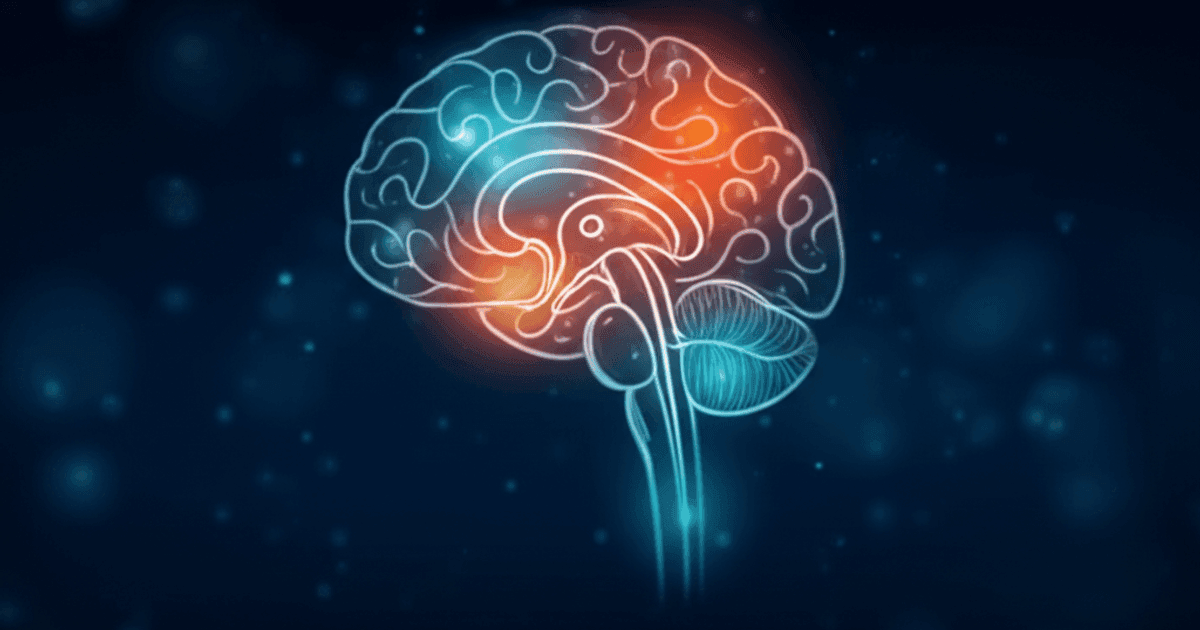
At its core, addiction involves dysregulation of the brain's reward circuitry — primarily the mesolimbic dopamine pathway, which projects from the ventral tegmental area (VTA) to the nucleus accumbens, prefrontal cortex, and amygdala. In the addicted brain, this circuitry becomes hijacked: substances of abuse produce supraphysiological dopamine release that reinforces drug-seeking behaviour, while repeated exposure leads to neuroadaptive changes that diminish the response to natural rewards and weaken prefrontal cortical control over impulses.
Three key neurobiological processes sustain addiction:
1. Craving — Intense desire for the substance, driven by conditioned associations in the amygdala and reward circuits
2. Impaired executive control — Weakened prefrontal cortex function that reduces the ability to inhibit drug-seeking behaviour
3. Stress sensitisation — Heightened stress reactivity mediated by the hypothalamic-pituitary-adrenal (HPA) axis and noradrenergic systems, which triggers relapse
It is the convergence of these processes with the known neuroanatomical targets of vagus nerve stimulation (VNS) that has led researchers to explore whether VNS could offer a novel approach to addiction treatment.
Why VNS Might Help: The Neuroanatomical Logic
The NTS-Locus Coeruleus-Prefrontal Pathway
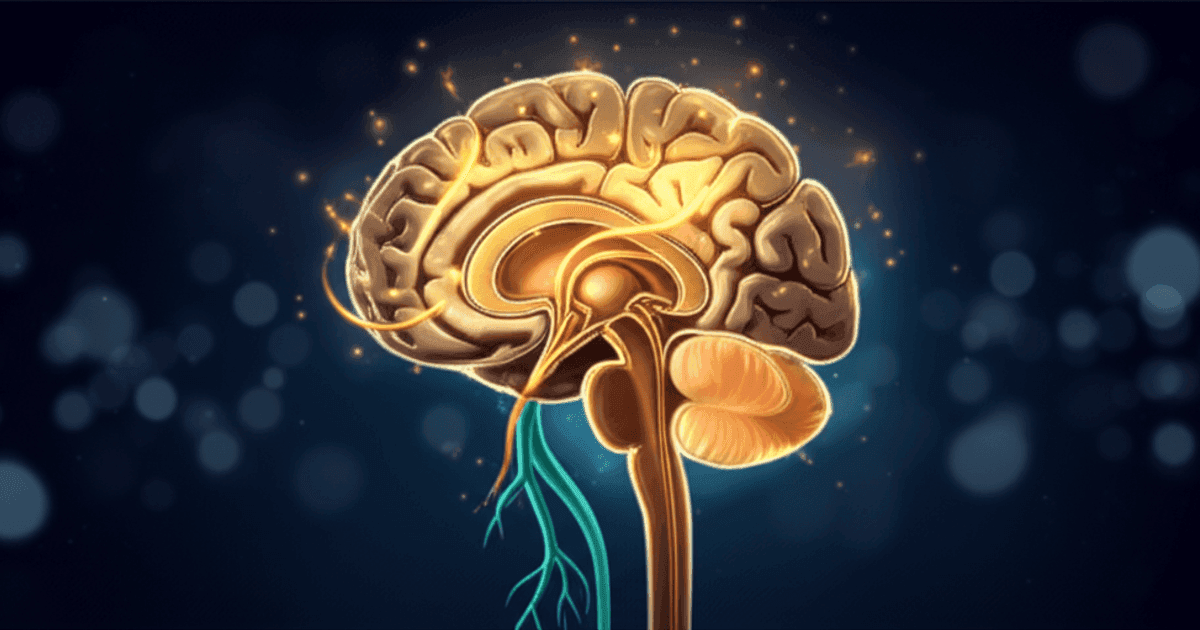
The vagus nerve projects to the nucleus tractus solitarius (NTS) in the brainstem, which serves as a relay station connecting to several brain regions directly implicated in addiction. The most relevant projections include:
- Locus coeruleus (LC) — The brain's primary noradrenergic nucleus. The LC plays a critical role in arousal, attention, and stress responses. Dysregulated LC-noradrenaline signalling is implicated in withdrawal symptoms, stress-induced relapse, and craving. VNS is known to modulate LC firing and noradrenaline release (Manta et al., 2009), potentially normalising the stress-response dysregulation that drives relapse.
- Prefrontal cortex (PFC) — The seat of executive function, decision-making, and impulse control. Addiction is characterised by reduced prefrontal cortical activity and impaired top-down control over subcortical reward circuits. Through its LC projections and direct thalamocortical pathways, VNS can enhance prefrontal activity — potentially strengthening the cognitive control that is weakened in addiction.
- Amygdala — Central to emotional memory and conditioned drug-cue associations. VNS modulates amygdala activity, which could influence the conditioned responses that trigger craving when individuals encounter drug-associated cues or contexts.
Modulation of Dopamine
While VNS is primarily known for its effects on noradrenaline and serotonin, there is evidence that it also influences dopaminergic signalling. The NTS projects to the VTA, and preclinical studies have shown that VNS can modulate dopamine release in the nucleus accumbens and prefrontal cortex (Manta et al., 2013). Given that addiction fundamentally involves dysregulated dopamine signalling, this represents a potentially important therapeutic mechanism — though the direction and magnitude of VNS effects on dopamine in the context of addiction remain to be fully characterised.
Interoception and the Vagal Pathway
A more recent theoretical framework connects VNS to addiction through the concept of interoception — the brain's perception of internal bodily states. The vagus nerve is the primary conduit for interoceptive information from the viscera to the brain, projecting via the NTS to the insular cortex, which integrates these signals into conscious awareness of bodily states.
The insular cortex has been identified as a critical node in addiction neuroscience. Naqvi et al. (2007) demonstrated that stroke patients with insular damage could quit smoking effortlessly, suggesting that insular processing of interoceptive signals (the "body feeling" associated with craving) is necessary for the maintenance of addiction. By modulating vagal-insular signalling, VNS could potentially alter the interoceptive experience of craving — reducing its intensity or salience.
Evidence for VNS in Alcohol Use Disorder
Preclinical Studies
Animal studies have provided initial support for VNS in alcohol-related contexts. Ghorbani et al. (2023) investigated the effects of transcutaneous auricular VNS (taVNS) on alcohol consumption in a rat model and found that taVNS significantly reduced voluntary alcohol intake. The study also demonstrated that taVNS modulated the expression of reward-related signalling molecules in the nucleus accumbens, suggesting a direct effect on the neural substrates of alcohol reinforcement.
Human Studies
Folleso et al. (2020) conducted one of the first studies examining taVNS for alcohol craving in humans. In this pilot investigation, participants with alcohol use disorder received taVNS while exposed to alcohol-related cues. The study found that active taVNS reduced subjective craving ratings compared to sham stimulation. While the study was small and the effects were measured acutely (during a single session), it provided proof-of-concept that taVNS could modulate craving — the most proximal driver of relapse in alcohol use disorder.
Additional pilot studies have examined the effects of taVNS on physiological markers associated with alcohol craving, including autonomic arousal and cortisol responses. These studies have generally found that taVNS dampens the stress-related physiological responses that often precede and accompany craving, consistent with the known effects of VNS on the HPA axis and autonomic balance.
Evidence for VNS in Opioid Use Disorder
The Opioid Withdrawal Rationale
The rationale for VNS in opioid use disorder is somewhat different from its rationale in alcohol use disorder. Opioid withdrawal is characterised by a constellation of intensely aversive symptoms — including anxiety, dysphoria, pain, nausea, and autonomic hyperactivity — that are largely mediated by noradrenergic hyperactivity in the locus coeruleus. When opioids are withdrawn, the LC becomes hyperactive, producing the "noradrenergic storm" that underlies withdrawal symptoms (Kosten & George, 2002).
The standard pharmacological treatment for this noradrenergic hyperactivity is clonidine, an alpha-2 adrenergic agonist that suppresses LC firing. VNS offers an alternative route to modulating LC activity — through vagal afferent inputs to the NTS, which in turn project to the LC. Preclinical evidence suggests that VNS can normalise LC firing patterns (Manta et al., 2009), potentially attenuating withdrawal symptoms without the sedation and hypotension associated with clonidine.
Clinical Investigations
Clinical investigation of VNS for opioid use disorder is at an early stage. Preliminary studies have examined the acute effects of taVNS on opioid withdrawal symptoms and craving in patients undergoing detoxification. While published data are limited, early reports suggest that taVNS may reduce withdrawal severity and craving scores, though these findings require replication in controlled trials.
The US National Institutes of Health (NIH) has identified neuromodulation approaches, including VNS, as a priority area for opioid use disorder research through the HEAL (Helping to End Addiction Long-term) initiative, reflecting growing institutional interest in this application.
Emerging Evidence: Other Substances
Nicotine
Nicotine dependence is the most common form of substance use disorder globally and remains the leading preventable cause of death. The insular cortex findings of Naqvi et al. (2007) — showing that insular damage enabled effortless smoking cessation — have generated particular interest in VNS for smoking cessation, given the vagus nerve's direct connection to the insular cortex through the NTS pathway.
Preliminary neuroimaging studies have examined the effects of taVNS on brain responses to smoking cues. These studies have generally found that taVNS modulates activity in reward-related brain regions during cue exposure, including the ventral striatum and medial prefrontal cortex. However, clinical trials examining whether taVNS can improve smoking cessation rates are still in early stages.
Cocaine
The evidence for VNS in cocaine use disorder is the most preliminary. Preclinical studies have suggested that VNS can modulate dopaminergic signalling in the mesolimbic pathway (Manta et al., 2013), which is heavily implicated in cocaine reinforcement. However, there are currently no established pharmacotherapies for cocaine use disorder, and translating preclinical VNS findings to clinical benefit remains speculative.
Mechanisms: How VNS Could Address Addiction
Based on the available evidence, several complementary mechanisms may underlie the potential effects of VNS on addiction:
Craving Reduction
The most directly supported mechanism is the reduction of subjective craving. This likely occurs through multiple pathways: modulation of LC-noradrenaline signalling (reducing the arousal and stress components of craving), altered insular-interoceptive processing (reducing the "body feeling" of craving), and normalisation of prefrontal-limbic connectivity (improving cognitive control over craving-driven impulses).
Stress Response Modulation
Stress is the most common trigger for relapse across all substance use disorders. VNS dampens the HPA axis stress response and reduces sympathetic arousal, potentially creating a buffer against stress-induced relapse. This mechanism overlaps with the established role of VNS in anxiety reduction, where modulation of the stress response is a primary therapeutic pathway.
Enhancement of Executive Control
By augmenting prefrontal cortical activity through LC-noradrenaline and thalamocortical pathways, VNS may strengthen the executive control processes — inhibition, decision-making, emotion regulation — that are impaired in addiction. This "top-down" strengthening could complement the "bottom-up" craving reduction to improve an individual's ability to resist drug-seeking behaviour.
Neuroplasticity
Addiction involves maladaptive neuroplastic changes — strengthened drug-cue associations, weakened natural reward responses, and reduced prefrontal connectivity. VNS promotes neuroplasticity through BDNF upregulation and enhanced synaptic plasticity (Follesa et al., 2007). In the context of addiction, this neuroplastic capacity could potentially support the formation of new, healthier behavioural patterns and the weakening of entrenched drug-seeking circuits — particularly when combined with behavioural therapies that require new learning.
Current Limitations and Challenges
The application of VNS to addiction is at a very early stage, and several significant limitations must be acknowledged:
Limited clinical evidence. The published human data consist primarily of small pilot studies and proof-of-concept investigations. No large randomised controlled trial has demonstrated that VNS reduces substance use, prevents relapse, or improves addiction outcomes.
Heterogeneity of addiction. Substance use disorders vary enormously in their neurobiology, course, and treatment response. The mechanisms by which VNS might help with alcohol craving may differ from those relevant to opioid withdrawal or nicotine dependence. A "one size fits all" approach is unlikely to succeed.
Acute vs. sustained effects. Most studies have measured the acute effects of VNS on craving or physiological markers during or immediately after stimulation. Whether these acute effects translate to sustained reductions in substance use over weeks and months is unknown.
Compliance. For any non-invasive treatment to be effective in addiction, patients must use it consistently. Treatment adherence is a well-known challenge in this population, and it is unclear whether taVNS protocols — which typically require daily home-based sessions — would achieve adequate compliance in real-world settings.
Ethical considerations. As with any emerging therapy for addiction, there is a risk of overpromising benefits before the evidence is established. Vulnerable individuals seeking treatment for substance use disorders should be protected from premature claims about VNS efficacy.
Future Directions
Several promising research directions may clarify the role of VNS in addiction treatment:
- Randomised controlled trials — Properly powered RCTs comparing active taVNS to sham stimulation, with substance use outcomes (not just craving) as primary endpoints, are the critical next step
- Combination with behavioural therapies — Investigating whether VNS can enhance the effectiveness of established treatments such as cognitive-behavioural therapy (CBT), contingency management, or motivational interviewing — leveraging the neuroplasticity-enhancing effects of VNS to support behavioural learning
- Withdrawal management — Testing VNS as an adjunct during medically supervised detoxification, where reducing withdrawal severity could improve completion rates and engagement with ongoing treatment
- Mechanism studies — Using neuroimaging and physiological measures to identify which aspects of VNS action (craving reduction, stress modulation, prefrontal enhancement) are most relevant to clinical benefit in addiction
- Patient stratification — Identifying which patients are most likely to benefit from VNS — for example, those with high levels of stress-driven craving or marked autonomic dysregulation
Conclusion
The investigation of vagus nerve stimulation for addiction represents a neuroscientifically grounded but still-emerging area of research. The rationale is compelling: the vagus nerve projects to brain regions directly implicated in craving, executive control, and stress responsivity — the three core processes that sustain addictive behaviour. Preliminary evidence, primarily from small pilot studies, suggests that taVNS can acutely reduce craving and modulate reward-related brain activity.
However, the gap between "reduces craving in a laboratory session" and "improves real-world addiction outcomes" is substantial. The history of addiction treatment research is replete with promising interventions that failed to translate from controlled settings to clinical practice. VNS for addiction must be held to the same rigorous standard of evidence — large, well-controlled trials with clinically meaningful endpoints — before any clinical recommendations can be made.
What is clear is that the current treatment landscape for addiction is inadequate, and novel approaches grounded in neuroscience are urgently needed. VNS offers a genuinely different mechanism of action from existing pharmacotherapies and behavioural interventions, and the research trajectory — while early — is worth following.
---
References
Follesa, P. et al. (2007). Vagus nerve stimulation increases norepinephrine concentration and the gene expression of BDNF and bFGF in the rat brain. Brain Research, 1179, 28–34.
Folleso, H.W. et al. (2020). Transcutaneous vagus nerve stimulation reduces alcohol cue reactivity: a preliminary study. Addiction Biology, 25(5), e12803.
Ghorbani, F. et al. (2023). Transcutaneous auricular vagus nerve stimulation reduces alcohol consumption and alters reward signalling in the nucleus accumbens. Psychopharmacology, 240(3), 589–601.
Kosten, T.R. & George, T.P. (2002). The neurobiology of opioid dependence: implications for treatment. Science & Practice Perspectives, 1(1), 13–20.
Manta, S. et al. (2009). Enhancement of the function of rat serotonin and norepinephrine neurons by sustained vagus nerve stimulation. Journal of Psychiatry & Neuroscience, 34(4), 272–280.
Manta, S. et al. (2013). Phasic changes in nucleus accumbens dopamine during vagus nerve stimulation, deep brain stimulation, and transcranial direct current stimulation. Neuropsychopharmacology, 38, S367.
McLellan, A.T. et al. (2000). Drug dependence, a chronic medical illness: implications for treatment, insurance, and outcomes evaluation. JAMA, 284(13), 1689–1695.
Naqvi, N.H. et al. (2007). Damage to the insula disrupts addiction to cigarette smoking. Science, 315(5811), 531–534.
World Health Organisation (2022). Global status report on alcohol and health and treatment of substance use disorders. Geneva: WHO.